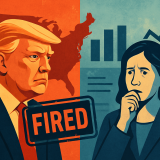
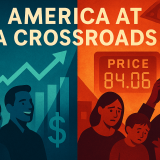
Inflation is cooling, unemployment is low… so why does everything still feel expensive? Welcome to the confusing state of the American economy in 2025.

📉 A Tale of Two Realities
The U.S. economy is giving mixed signals in 2025. On one hand, the stock market is rallying, and tech companies are hiring again. On the other, consumers are still burdened with high credit card debt, and groceries cost significantly more than they did pre-pandemic.

Key data:
- Inflation rate (as of July 2025): 3.1% – down from its 2022 peak, but still above the Fed’s 2% target.
- Unemployment rate: 4.0% – stable, yet many workers feel underpaid or overworked.
- Interest rates: Holding steady, which helps savers but squeezes borrowers.
🛒 Why It Still Hurts
Although wages have risen, they’re often not keeping pace with the real cost of living. Housing remains unaffordable for many, especially first-time buyers. Even renting has become a struggle in major cities like New York, Los Angeles, and Austin.

Meanwhile, small businesses are grappling with higher input costs and lower consumer spending, leading to increased closures and layoffs.
🚀 Bright Spots on the Horizon
Not everything is gloomy. Manufacturing is making a comeback, especially in green tech and EV sectors. AI and automation are boosting productivity, and U.S. exports are strong due to a relatively weaker dollar.

Many economists believe that if inflation continues to ease and the job market stays resilient, a soft landing is still possible.
✅ Conclusion: Prepare, Don’t Panic
The American economy isn’t crashing—but it’s not coasting either. We’re in a transition phase: from pandemic recovery to a new normal driven by tech, changing work culture, and global shifts.

🔍 Takeaway: Stay informed, watch interest rates, and consider financial moves carefully. Whether you’re a worker, investor, or business owner, now is the time to adapt, not retreat.